
Every day, with each new release of an AI image-generation model or deepfake technology, spotting AI-generated images seems increasingly difficult. As synthetic media become more realistic, we seem to be entering a stage where we can no longer trust our own eyes. We develop tips to spot AI-generated images. We reassure ourselves that, if we pay close enough attention, we can still survive in this world of synthetic reality. Yet these tips quickly become outdated, and we seem to be forever chasing a technology that has already moved on.
How should we address the challenges posed by AI-generated visual media? In this book, I argue that we first need to revisit how visual credibility was constructed in the first place. The trust we grant to photographic media seems to rest on the physical link between images and the world, a connection that AI-generated images sever. Yet the history of photography reveals that visual credibility is also a social achievement, shaped by the collective efforts of technological innovators, professional communities, institutions, and audiences.
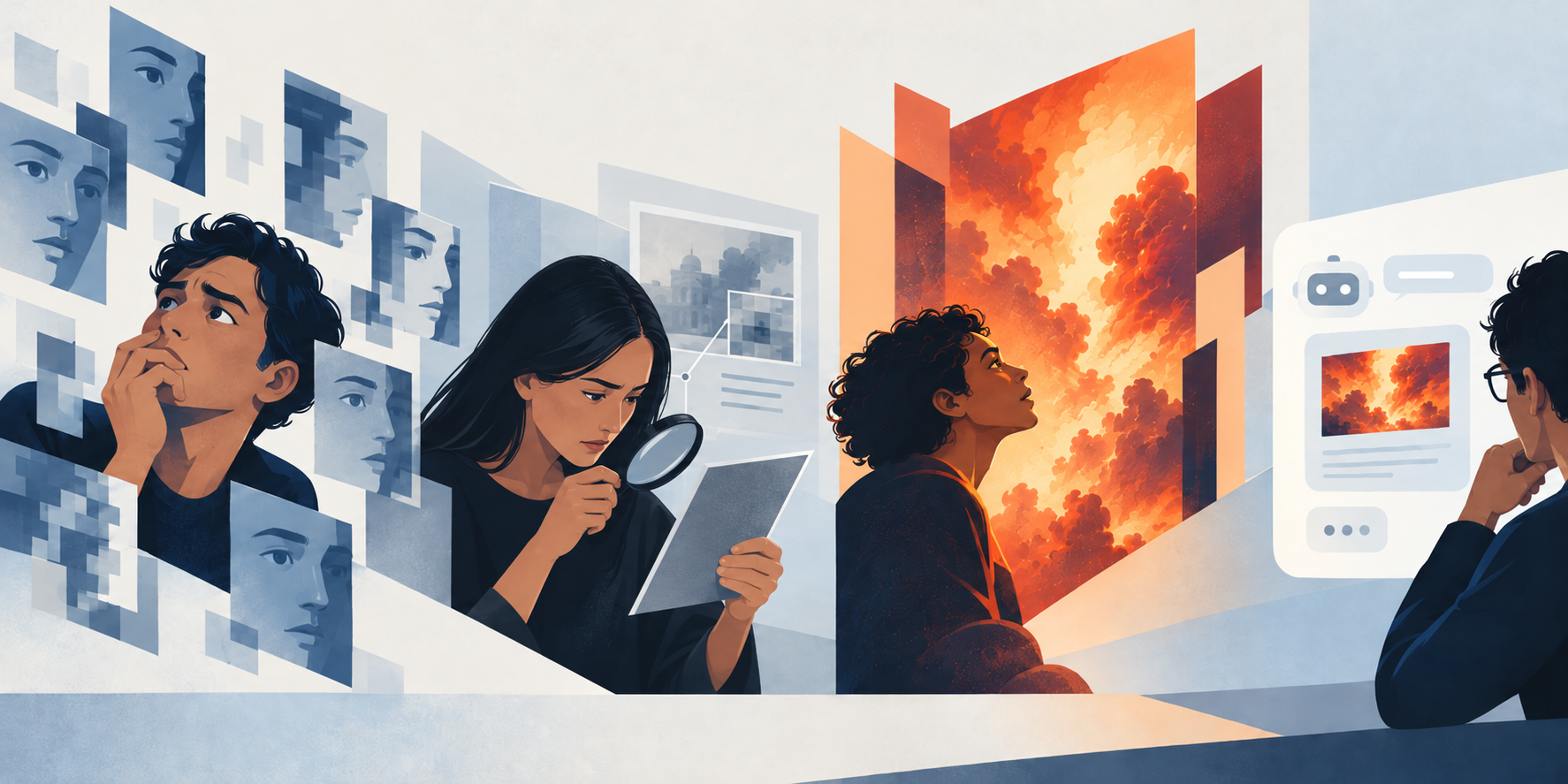
We also need to broaden our understanding of the threats that AI-generated media pose to visual credibility. In addition to deception, we are seeing growing distrust toward authentic visual media, especially when they contradict our expectations of reality and existing beliefs. We also see AI-generated content being used to amplify toxic and polarizing messages, often with little effort to conceal its synthetic origins. There is also growing competition for visibility between authentic and synthetic images, as synthetic images can be freely designed to appear spectacular and striking to meet the demands of the attention economy. And as we become overwhelmed by the constant flood of synthetic images, we are also outsourcing our credibility judgments to AI systems and chatbots, regardless of their accuracy.
This book reframes how we understand the threats of synthetic media to visual credibility and how we should collectively respond to these challenges. The threats go beyond the possibility of being fooled by AI-generated images. More fundamentally, they undermine the social functions that visual media have long fulfilled, such as establishing a shared sense of reality, evoking moral emotions, and providing a means of self-expression. Bringing these arguments together, we need to revamp the technological, institutional, and social processes through which visual media have earned our trust to address the challenges posed by generative AI.
This manuscript is currently under contract with Cambridge University Press.

